
Intimate Partner Violence in York Region
Understanding the behaviours, warning signs, legal consequences, and community resources associated with intimate partner violence.
Information and resources for individuals, families, and communities across Newmarket, East Gwillimbury, Aurora, and York Region.

Understanding Intimate Partner Violence
Intimate partner violence (IPV) refers to abusive, threatening, or controlling behaviour occurring within current or former intimate relationships. It affects individuals across genders, ages, cultures, socioeconomic backgrounds, and relationship structures.
Intimate partner violence can occur within marriages, common-law relationships, dating relationships, and relationships that have ended. It may involve an isolated act of violence, repeated harmful incidents, or an ongoing pattern of coercion and control.
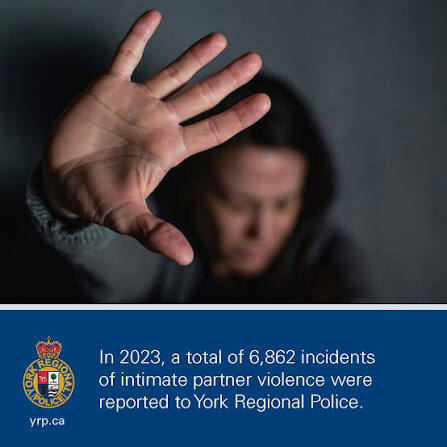
In 2023, York Region declared intimate partner violence an epidemic, recognizing the seriousness of its impact on individuals, families, and communities. York Regional Police recorded 6,862 IPV incidents that year, illustrating the significant demands placed on police, victim services, and community resources.
Understanding IPV requires recognizing both the specific behaviours involved and the broader relationship context in which they occur. The presence of fear, intimidation, restricted autonomy, and unequal power can be particularly important when assessing patterns of abuse.
Forms of Intimate Partner Violence
Intimate partner violence encompasses several forms of abusive behaviour. Some are immediately recognizable, while others develop gradually and become increasingly restrictive.
Physical violence: Hitting, pushing, restraining, choking, or using physical force against an intimate partner.
Psychological and emotional abuse: Intimidation, humiliation, persistent degradation, threats, or manipulation that undermines another person's emotional well-being.
Sexual violence: Sexual contact without consent, sexual coercion, or threats involving sexual activity.
Financial abuse: Restricting access to money, interfering with employment, controlling financial decisions, or creating financial dependence.
Spiritual abuse: Using religious or spiritual beliefs, practices, or community relationships to intimidate, shame, or control another person.
Coercive control: A pattern of behaviours intended to dominate another person's choices, relationships, movements, or independence.
These forms of abuse frequently overlap. A person experiencing financial control, for example, may also experience intimidation, isolation, and threats when attempting to exercise greater independence.
Recognizing Warning Signs and Patterns of Control
Intimate partner violence frequently involves behaviours that become more restrictive over time. Recognizing early warning signs can help individuals understand emerging risks and seek appropriate assistance.
Common warning signs include:
Repeatedly checking a partner's telephone, messages, or social media accounts.
Demanding information about a partner's whereabouts or activities.
Restricting relationships with friends, relatives, or coworkers.
Using jealousy or accusations of infidelity to justify surveillance or control.
Threatening consequences when a partner establishes boundaries.
Controlling transportation, finances, employment, or access to essential resources.
Repeated unwanted contact, following, or monitoring after separation.
Threatening to harm a partner, children, pets, or oneself to influence another person's behaviour.
An important consideration is the cumulative effect of these behaviours. Individual incidents may appear minor when considered separately, while the overall pattern creates fear, dependency, and significant restrictions on personal freedom.
Separation can also represent a period of increased risk, particularly when a controlling partner perceives a loss of influence over the relationship.
Recognizing these patterns provides an opportunity to seek support, assess safety, and understand the seriousness of escalating behaviour.


Intimate Partner Violence and Criminal Charges in Ontario
Intimate partner violence describes the context in which harmful conduct occurs. Criminal charges arise from specific actions that meet the legal requirements of offences under Canadian law.
Depending on the circumstances, intimate partner violence investigations may involve several Criminal Code offences.
Assault: Intentionally applying force without consent, including hitting, pushing, or other forms of unlawful physical contact.
Assault causing bodily harm: An assault resulting in injuries that meet the legal definition of bodily harm.
Uttering threats: Communicating threats involving death, bodily harm, or other conduct covered by the Criminal Code.
Criminal harassment: Conduct such as repeated unwanted communication, following, surveillance, or threatening behaviour that meets the legal requirements for criminal harassment.
Sexual assault: Sexual activity involving an absence of legally valid consent.
Forcible confinement: Unlawfully restricting another person's freedom of movement.
Breaches of court conditions: Failing to comply with applicable release conditions, probation orders, or other enforceable legal requirements.
Patterns of coercive or controlling behaviour may also be relevant under specific provisions of Canadian criminal law.
The nature of the charge depends on the conduct, evidence, applicable legislation, and circumstances of the investigation. Legal professionals provide advice concerning criminal allegations, available defences, and court proceedings.
What Happens When Police Become Involved?
Police involvement in intimate partner violence may begin with an emergency call, a complaint from an individual, a report from a witness, or information suggesting that someone may be at risk.
An investigation may involve interviews, photographs of injuries, electronic communications, witness statements, medical information, and other available evidence.
Police assess the circumstances to determine whether there are reasonable grounds to believe a criminal offence has occurred and whether an arrest or other intervention is appropriate.
When criminal charges are laid, the accused person may be released subject to conditions or held for a bail hearing. Conditions may restrict communication, prohibit attendance at particular locations, or establish other requirements intended to address safety concerns.
These restrictions can have significant implications for housing, parenting arrangements, employment, and contact between former or current partners.
The complainant and accused person may experience different concerns and require different forms of professional support.
Individuals subject to court conditions should obtain legal advice and comply with all applicable orders. Changes to those conditions must occur through appropriate legal processes.



The Psychological and Family Impact of IPV
The consequences of intimate partner violence extend beyond the immediate incident. Exposure to intimidation, threats, coercion, and physical or sexual violence can affect psychological functioning, personal relationships, and everyday life.
Individuals experiencing IPV may report anxiety, hypervigilance, sleep disturbances, diminished self-confidence, difficulties concentrating, and symptoms associated with traumatic stress.
Repeated exposure to threatening or controlling behaviour can influence how individuals perceive safety, make decisions, establish boundaries, and maintain social connections.
Children exposed to intimate partner violence may experience emotional distress, behavioural difficulties, fear, and disruptions in their sense of security. Exposure can affect children even when violence is directed toward another household member.
Families may also experience housing instability, financial difficulties, disrupted parenting arrangements, and strained relationships with extended family members.
The impact of IPV varies considerably. Appropriate intervention requires attention to individual circumstances, psychological well-being, current safety, and available sources of support.
Finding Help and Safety Resources in York Region
York Region offers several resources for individuals experiencing intimate partner violence, those concerned about their safety, and families affected by relationship violence.
York Regional Police provides information about intimate partner violence, warning signs, reporting, investigations, and community support services.
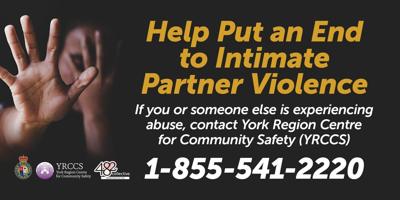
York Region Centre for Community Safety connects individuals affected by intimate partner violence and family violence with coordinated community services and support.
Victim Services of York Region provides crisis intervention, emotional support, practical assistance, and referrals for individuals affected by crime and traumatic events.
Assaulted Women's Helpline provides confidential crisis support, safety planning, information, and referrals for women experiencing abuse.
Individuals concerned about immediate safety may benefit from professional safety planning, particularly when violence has escalated or separation is being considered.
Safety planning should account for the person's specific circumstances, including children, housing, financial resources, digital privacy, and potential retaliation.
For immediate danger or emergencies, call 911.

Psychotherapy, Behavioural Accountability and NewRoads
Intimate partner violence involves significant considerations relating to personal safety, legal responsibility, psychological functioning, and interpersonal behaviour. Appropriate intervention depends on the needs and circumstances of the individuals involved.
Psychotherapy can provide a structured setting for individuals seeking to understand harmful relationship behaviours, examine their choices, and develop greater responsibility for their actions.
At NewRoads Psychotherapy Clinic Inc., we provide specialized psychotherapy addressing behavioural accountability, relationship safety, and psychological factors associated with harmful interpersonal conduct.
For individuals seeking a structured therapeutic intervention, NewRoads offers the Domestic Violence Accountability & Relationship Safety Program (DVARS™).
The program provides a clinical framework for examining harmful behaviours, developing personal accountability, and working toward meaningful behavioural change.
NewRoads also provides court-related psychotherapy and, where clinically appropriate and authorized, documentation of treatment participation and progress.
Psychotherapy is independent of police investigations and legal proceedings. Participation does not guarantee a particular legal outcome.
Learn More About Our DVARS™ Program
NewRoads Psychotherapy Clinic Inc. serves individuals in Newmarket, East Gwillimbury, and surrounding York Region communities.
Understanding. Awareness. Safer Relationships.
Recognizing intimate partner violence is an important step toward protecting personal safety, understanding harmful relationship behaviours, and accessing appropriate support.
NewRoads Psychotherapy Clinic Inc. is committed to advancing psychological understanding, personal accountability, and relationship safety throughout York Region.
Specialized Psychotherapy | Relationship Safety | Court-Related Services