
Impaired Driving & DUI Counselling in Newmarket.
Psychotherapy focused on accountability, safer decision-making, and behavioural change.
An impaired-driving incident can raise important questions about substance use, judgment, risk, and the decisions that led to getting behind the wheel.
NewRoads provides individualized psychotherapy to understand those patterns and develop safer choices moving forward.

A Structured Clinical Approach to Impaired Driving
An impaired-driving incident often involves a combination of decisions, circumstances, substance use, emotional states, and patterns of thinking that developed before the person got behind the wheel.
Psychotherapy creates an opportunity to examine that sequence in detail. Treatment explores alcohol or substance use, judgment and risk perception, rationalization, situational and emotional triggers, previous consequences, and the decisions that contributed to driving while impaired.
The work focuses on developing greater insight and accountability while strengthening the ability to recognize risk earlier and make safer decisions in the future.
This section establishes that we're going well beyond “don't drink and drive.” It introduces the clinical depth of the program without getting ahead of the later sections.
Impaired Driving, DUI & Court-Related Referrals
NewRoads provides individual psychotherapy for people seeking support following an impaired-driving charge, alcohol-related driving incident, or other substance-related driving concern.
Clients may come to therapy independently, through a lawyer referral, or while involved in court or licensing-related proceedings. Treatment examines the factors surrounding the impaired-driving decision while developing greater awareness of risk, responsibility, and strategies for preventing recurrence.
Where appropriate and with the client’s written consent, NewRoads can provide documentation describing attendance, participation, areas addressed in therapy, and progress toward identified therapeutic goals.
Important: NewRoads psychotherapy complements the client’s broader legal or rehabilitative process. Any Ministry-mandated remedial program, licensing requirement, court order, forensic assessment, or other legally required intervention remains separate.
More Than Drinking and Driving
An impaired-driving decision rarely begins at the moment someone starts the vehicle. Therapy looks further back at the circumstances, choices, patterns of substance use, emotional states, and thinking that contributed to the decision.
Treatment can explore how a person assessed risk, rationalized driving, responded to social or situational pressures, planned transportation, and interpreted their own level of impairment.
The goal is to develop a clearer understanding of the sequence that led to the incident and strengthen the ability to interrupt that sequence earlier. This creates practical opportunities for safer planning, better decision-making, and lasting behavioural change.

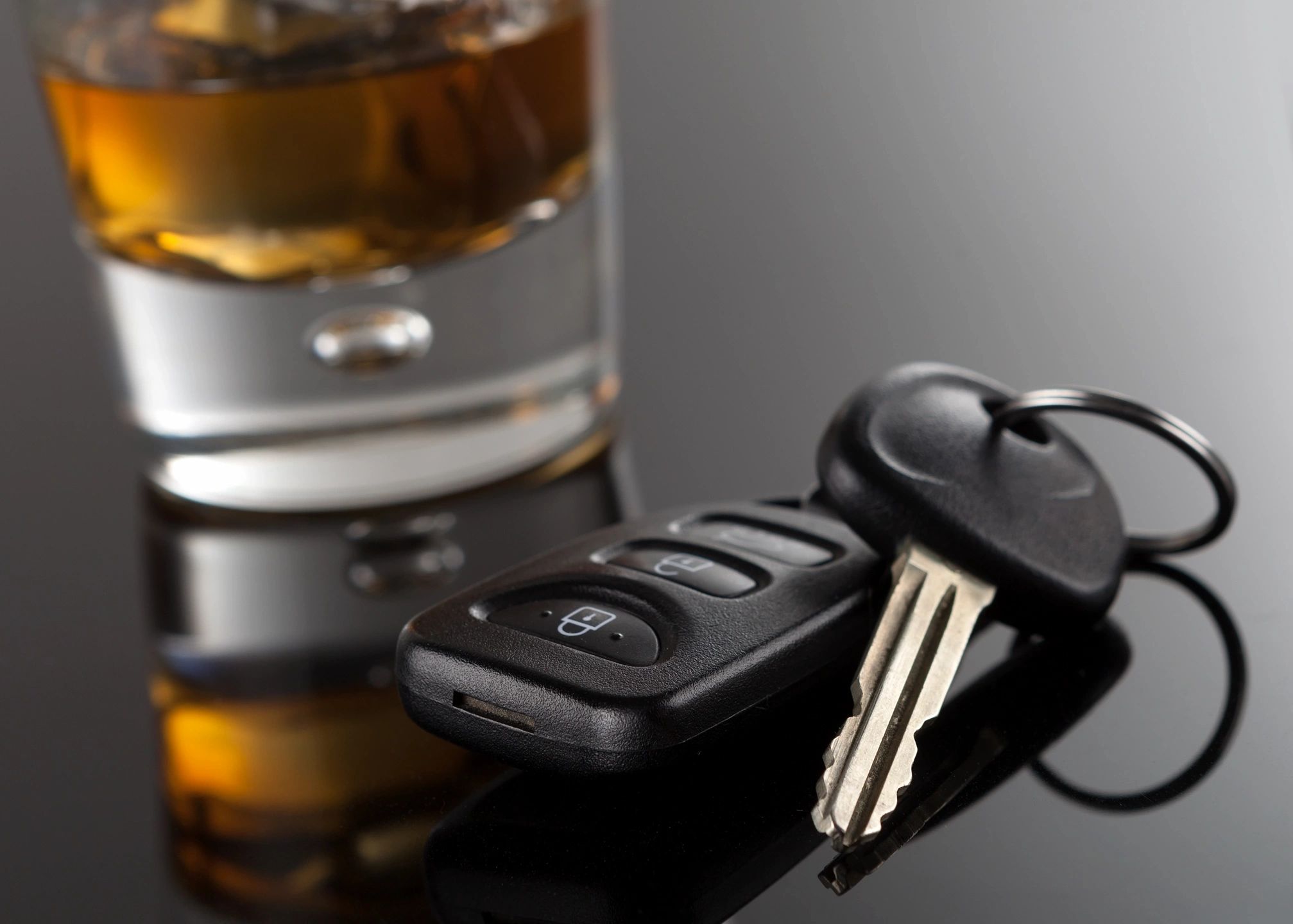
Core Approach
Impaired-driving psychotherapy focuses on understanding the processes that contributed to the decision and developing safer responses before similar circumstances occur again.
Therapeutic work can include:
- Alcohol and substance-use patterns
- Emotional and situational triggers
- Decision-making under the influence
- Risk perception and judgment
- Rationalization and minimization
- Impulsivity and planning
- Social pressure and environmental influences
- Previous consequences and recurring patterns
- Personal responsibility and accountability
- Relapse and risk-prevention strategies
- Alternative transportation and advance planning
- Building sustainable behavioural change
The focus remains on translating insight into practical decisions that reduce future risk.
Program Structure
Impaired Driving & Substance-Related Driving Psychotherapy is delivered through individual sessions, allowing treatment to address the circumstances of the driving incident alongside the client’s broader patterns of substance use, decision-making, risk, and behaviour.
Treatment typically progresses through assessment, examination of the impaired-driving incident and contributing factors, identification of substance-use and decision-making patterns, development of risk-reduction strategies, and application of those strategies to future situations.
The length and focus of therapy are individualized according to the client’s circumstances, therapeutic goals, clinical needs, and progress over time.



Who This Is For
This service is designed for adults seeking psychotherapy following an impaired-driving or substance-related driving concern.
It may be appropriate for individuals experiencing:
- A first impaired-driving or DUI charge
- Repeated impaired-driving concerns
- Alcohol-related driving incidents
- Cannabis or other substance-related driving concerns
- Difficulty recognizing impairment or driving risk
- Patterns of risky decision-making involving substance use
- Legal or court-related consequences
- Lawyer-referred psychotherapy
- Concern about preventing another impaired-driving decision
- A desire to better understand their relationship with alcohol or other substances
Clients can enter therapy independently or following a referral from a lawyer or other professional.
What Clients Will Learn
Therapy focuses on helping clients understand the sequence of decisions and circumstances that contributed to impaired driving and develop practical strategies for reducing future risk.
Clients may work toward:
- Recognizing personal risk factors and high-risk situations
- Understanding patterns of alcohol or substance use
- Identifying emotional, social, and situational triggers
- Recognizing rationalization and minimization
- Improving judgment and risk perception
- Understanding how impairment affects decision-making
- Taking greater responsibility for choices and consequences
- Developing plans before drinking or substance use occurs
- Strengthening alternative transportation planning
- Responding differently to social pressure and unexpected situations
- Identifying early signs of returning to risky patterns
- Building sustainable strategies for preventing another impaired-driving decision
The goal is for insight developed in therapy to translate into safer decisions in real-world situations.


Progress Reporting & Professional Documentation
For clients participating in psychotherapy in connection with a legal, court-related, licensing, or other professional matter, documentation may be available with the client’s written consent.
Documentation may include:
- Confirmation of enrolment
- Attendance and participation
- Areas addressed during psychotherapy
- Therapeutic goals and areas of focus
- Progress demonstrated over the course of treatment
- Program completion where applicable
- Clinical observations where appropriate
Documentation reflects the client’s actual participation and therapeutic progress. NewRoads maintains clinical independence and does not guarantee a particular legal, court, licensing, or professional outcome.
NewRoads psychotherapy remains separate from Ministry-mandated remedial programs, forensic assessments, licensing requirements, court orders, or other legally required interventions.
Safer Decisions Begin Before the Drive
An impaired-driving decision develops through a sequence of choices, circumstances, and opportunities to respond differently.
Psychotherapy helps clients understand that sequence, recognize risk earlier, strengthen accountability, and develop practical strategies for making safer decisions when alcohol or other substances are involved.
The goal is meaningful behavioural change that extends beyond the incident itself and supports safer choices moving forward.