
Partner Assault Response (PAR) & Domestic Violence Programs in Newmarket
Court-related psychotherapy focused on accountability, behavioural change, emotional regulation, and relationship safety.
Looking for a Partner Assault Response (PAR) program in Newmarket? NewRoads Psychotherapy Clinic offers DVARS™ (Domestic Violence Accountability & Relationship Safety), an independently developed, 12-session psychotherapy program for individuals seeking structured intervention related to domestic violence, intimate partner violence, and court-related concerns.
DVARS™ is distinct from Ontario's government-funded PAR program. Individuals participating in connection with a court order, probation condition, or other legal requirement should confirm with their lawyer, probation officer, or referring professional whether DVARS™ is appropriate for their circumstances.
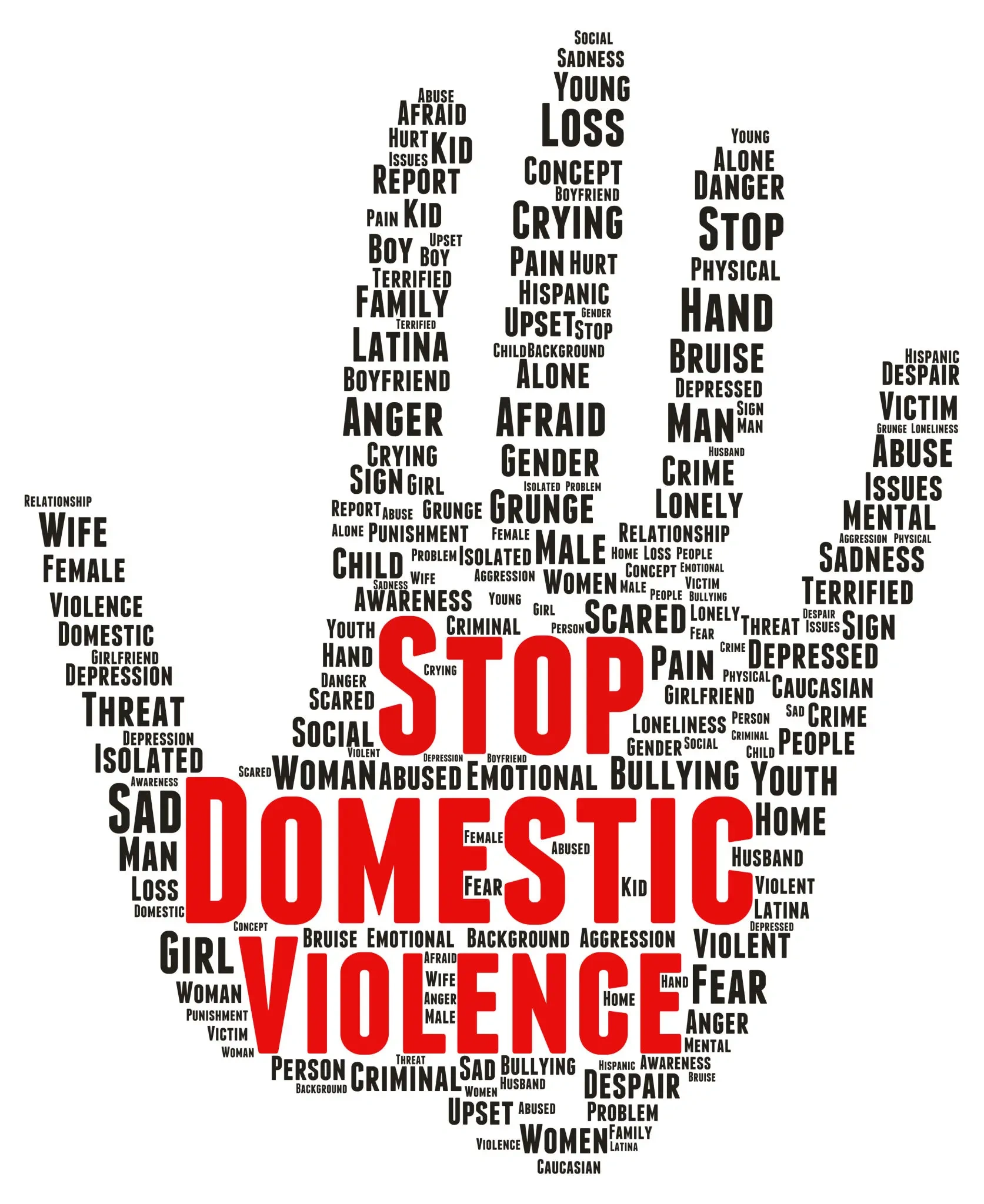
Understanding Partner Assault Response (PAR) and Your Options
Partner Assault Response (PAR) is an Ontario program intended for individuals involved in intimate partner violence who are referred through the justice system. PAR programming addresses abusive behaviour, personal accountability, and the development of safer relationship behaviours.
Individuals searching for a Partner Assault Response program in Newmarket may be responding to a court proceeding, probation condition, recommendation from a lawyer, or personal concerns about their behaviour within an intimate relationship.
Understanding the Difference Between PAR and DVARS™
Ontario's PAR program operates within the provincial justice system. NewRoads Psychotherapy Clinic offers DVARS™ (Domestic Violence Accountability & Relationship Safety), an independently developed, 12-session individual psychotherapy program.
DVARS™ explores the psychological and relational patterns contributing to harmful behaviour, including emotional reactivity, defensiveness, blame, intimidation, control, and difficulties with emotional regulation. Treatment emphasizes personal accountability, emotional awareness, relationship safety, and meaningful behavioural change.
Participation in DVARS™ may be voluntary or connected to legal and professional referrals. Where participation is associated with a court order, probation condition, or other legal requirement, individuals should confirm whether DVARS™ meets their specific obligations before enrolling.
Learn More About Your Options
For information about the structure, therapeutic approach, and participation requirements of DVARS™, visit our Domestic Violence Accountability & Relationship Safety Program page.
For information about Ontario's justice-related services and Partner Assault Response programming, consult the Ontario government's official resources.
DVARS™, PAR & Court-Related Referrals
Individuals seeking a Partner Assault Response (PAR) program in Newmarket may be navigating criminal proceedings, probation conditions, court-related recommendations, or other legal and professional concerns involving intimate partner violence.
NewRoads Psychotherapy Clinic offers DVARS™ (Domestic Violence Accountability & Relationship Safety), a structured 12-session individual psychotherapy program addressing harmful relationship behaviours, personal accountability, emotional regulation, and relationship safety.
Referrals from Lawyers and Other Professionals
NewRoads welcomes referrals from criminal defence lawyers, family lawyers, probation officers, healthcare professionals, and other authorized referral sources. Individuals may also contact the clinic directly to explore voluntary participation.
Where clinically appropriate and with the client's informed consent, NewRoads can provide professional documentation addressing program participation, therapeutic engagement, progress, and completion.
Important Information About Court Requirements
DVARS™ is an independently developed psychotherapy program, separate from Ontario's government-funded Partner Assault Response (PAR) program.
Individuals seeking to satisfy a court order, probation condition, or other legal requirement should consult their lawyer, probation officer, or referring professional to confirm whether DVARS™ is an acceptable option.
For further information about referrals and professional documentation, visit our Lawyer Referral services page.
Looking for a PAR Program in Newmarket?
People searching for a Partner Assault Response (PAR) program in Newmarket are often seeking counselling following domestic violence charges, court proceedings, probation requirements, or recommendations from a lawyer or other professional.
NewRoads Psychotherapy Clinic offers DVARS™ (Domestic Violence Accountability & Relationship Safety), a structured 12-session individual psychotherapy program focused on accountability, emotional regulation, behavioural change, and relationship safety.
Who Can Participate?
DVARS™ is available to individuals who recognize harmful patterns within their intimate relationships and want to develop healthier ways of responding to conflict, frustration, jealousy, rejection, and emotional distress.
Participation may be voluntary or connected to legal and professional referrals. Individuals with court-ordered requirements should confirm that DVARS™ is acceptable for their particular circumstances before enrolling.
Taking the Next Step
If you are looking for domestic violence counselling or a structured accountability program in Newmarket, contact NewRoads Psychotherapy Clinic to discuss your circumstances, referral requirements, and whether DVARS™ is an appropriate clinical option.


How DVARS™ Approaches Behavioural Change
Meaningful behavioural change begins with understanding the psychological processes that influence how individuals respond to conflict, emotional distress, perceived rejection, and challenges within intimate relationships.
At NewRoads Psychotherapy Clinic, DVARS™ uses an integrative psychotherapy approach to examine the relationship between thoughts, emotions, behavioural choices, and their consequences for others.
Developing Awareness and Accountability
Therapeutic work explores several interconnected areas:
Emotional awareness: Recognizing emotional experiences that precede harmful behaviour, including shame, fear, jealousy, frustration, and perceived rejection.
Personal responsibility: Examining behavioural choices and their consequences while reducing blame, justification, and externalization.
Defensiveness and emotional regulation: Developing the capacity to tolerate difficult emotions, accept feedback, and respond without intimidation or aggression.
Relationship beliefs: Identifying assumptions about entitlement, control, respect, and expectations within intimate relationships.
Empathy and perspective-taking: Understanding the emotional and psychological impact of one's behaviour on partners, children, and other affected individuals.
Behavioural integration: Applying new responses consistently across situations, including periods of heightened emotional distress.
From Understanding to Behavioural Change
Insight becomes clinically meaningful when individuals demonstrate greater responsibility for their actions and consistently practise safer behavioural responses.
DVARS™ incorporates reflection, therapeutic discussion, behavioural exercises, and ongoing clinical assessment to support this process.
For a detailed explanation of the program's structure and therapeutic framework, visit our Domestic Violence Accountability & Relationship Safety Program page.
DVARS™ Program Structure
DVARS™ (Domestic Violence Accountability & Relationship Safety) is a structured, 12-session individual psychotherapy program designed to support personal accountability, psychological insight, emotional regulation, and sustained behavioural change.
The program progresses through four interconnected phases, allowing participants to develop awareness of harmful relationship patterns and apply healthier behavioural responses.
Phase 1: Accountability & Awareness
Participants begin by examining the behaviours, decisions, and relationship circumstances that contributed to their involvement in the program. Emphasis is placed on personal responsibility, recognizing harmful conduct, and understanding its impact on others.
Phase 2: Pattern Identification & Understanding
Therapeutic exploration focuses on recurring emotional, cognitive, and interpersonal patterns. Participants examine how beliefs, attachment experiences, emotional triggers, defensiveness, and expectations within relationships influence their behavioural responses.
Phase 3: Emotional Regulation & Behavioural Change
Participants develop practical strategies for managing emotional distress, responding constructively to conflict, respecting boundaries, and reducing harmful or controlling behaviours. Therapeutic exercises encourage the application of these skills in everyday situations.
Phase 4: Integration & Sustaining Change
The final phase focuses on consolidating therapeutic learning, evaluating behavioural progress, identifying ongoing vulnerabilities, and developing strategies for maintaining accountability and relationship safety beyond the program.
Individualized Clinical Assessment
Although DVARS™ follows a structured framework, therapeutic interventions are informed by each participant's presenting concerns, clinical assessment, and progress throughout treatment.
Program attendance, therapeutic engagement, and demonstrated behavioural change are evaluated as distinct aspects of participation.
For additional information about the program's clinical framework, visit our Domestic Violence Accountability & Relationship Safety Program page.



Who This Program May Be Appropriate For
DVARS™ (Domestic Violence Accountability & Relationship Safety) is designed for adults seeking structured psychotherapy to address harmful behaviours, emotional dysregulation, and recurring patterns of conflict within intimate relationships.
Individuals may enter the program voluntarily, following a professional referral, or while navigating legal proceedings involving domestic violence or intimate partner violence.
Individuals Who May Benefit Include Those Who:
Have been charged with domestic assault, criminal harassment, uttering threats, or other offences arising from intimate partner conflict.
Have been referred by a criminal defence lawyer, family lawyer, probation officer, or another professional.
Recognize patterns of anger, intimidation, jealousy, controlling behaviour, or emotional reactivity within their relationships.
Experience difficulty accepting responsibility, managing defensiveness, or responding constructively to criticism and conflict.
Want to better understand how their behaviour affects partners, children, and other family members.
Are motivated to develop healthier relationship behaviours, emotional regulation skills, and lasting personal accountability.
Clinical Suitability and Court-Related Requirements
Participation begins with an assessment of the individual's presenting concerns, treatment goals, and clinical suitability.
Individuals seeking to satisfy a specific court order, probation condition, or mandated Partner Assault Response (PAR) requirement should confirm with their lawyer, probation officer, or referring professional whether DVARS™ meets those requirements.
NewRoads welcomes inquiries from individuals and referring professionals seeking information about program participation, clinical assessment, and available documentation.
For additional information about court-related referrals, visit our Lawyer Referral Services page.
Skills, Insight & Behavioural Change
Understanding harmful relationship patterns is an important part of psychotherapy. Meaningful progress also requires the ability to recognize those patterns as they occur and respond differently.
DVARS™ (Domestic Violence Accountability & Relationship Safety) integrates psychological insight with practical behavioural skills, helping participants translate therapeutic learning into everyday interactions.
Core Areas of Skill Development
Emotional regulation: Recognizing escalating emotional distress and developing healthier responses to anger, frustration, jealousy, shame, and perceived rejection.
Accountability and responsibility: Acknowledging behavioural choices, understanding their consequences, and responding to feedback without blame or justification.
Communication and conflict management: Developing respectful communication, active listening, and constructive approaches to interpersonal disagreements.
Respecting boundaries: Recognizing and respecting another person's autonomy, personal space, decisions, and right to establish limits.
Empathy and perspective-taking: Developing a deeper understanding of how harmful behaviour affects partners, children, and other individuals.
Cognitive and behavioural awareness: Identifying automatic thoughts, assumptions, expectations, and beliefs that contribute to harmful relationship patterns.
Distress tolerance: Developing the capacity to experience uncomfortable emotions without resorting to intimidation, threats, coercion, or aggression.
Repair and sustained behavioural change: Taking responsibility for harm, respecting the affected person's choices, and demonstrating change through consistent behaviour over time.
Applying Skills Beyond the Therapy Session
Participants are encouraged to reflect on real-life situations, identify emerging patterns, and practise alternative responses between sessions.
Clinical progress is evaluated through therapeutic engagement, increasing self-awareness, demonstrated accountability, and evidence of behavioural change. Participation and attendance alone provide limited information about the depth of therapeutic progress.
The overall objective is to strengthen personal responsibility and support safer, more respectful interpersonal relationships.


Court, Lawyer & Professional Documentation
NewRoads Psychotherapy Clinic provides court-related psychotherapy services for individuals participating in DVARS™ (Domestic Violence Accountability & Relationship Safety), including those referred by criminal defence lawyers, family lawyers, probation officers, and other professionals.
With the client's informed written consent, clinical documentation may be prepared to communicate relevant information about participation, therapeutic engagement, and progress throughout the program.
Available Clinical Documentation
Depending on the circumstances, clinical appropriateness, and purpose of the referral, documentation may include:
Confirmation of enrolment: Verification that an individual has enrolled in DVARS™ and commenced participation.
Attendance and participation records: Documentation of sessions attended and engagement in the therapeutic process.
Clinical progress summaries: Professional observations regarding accountability, emotional awareness, defensiveness, emotional regulation, and behavioural development.
Program completion letters: Confirmation of completion of the structured 12-session program, with relevant clinical observations where appropriate.
Recommendations for continued treatment: Identification of additional therapeutic needs or areas requiring further development.
Assessing Accountability and Therapeutic Progress
DVARS™ distinguishes between attending psychotherapy, understanding harmful behaviour, accepting responsibility, and demonstrating meaningful behavioural change.
Clinical reporting reflects the treating psychotherapist's professional observations and assessments, including areas of progress and continuing concern. Completion of a program is considered separately from the degree of therapeutic change demonstrated.
Information for Lawyers and Referring Professionals
NewRoads welcomes communication with referring professionals, subject to client consent and applicable confidentiality requirements, to clarify program structure, participation expectations, and the scope of available clinical documentation.
DVARS™ is an independently developed psychotherapy program and is separate from Ontario's government-funded Partner Assault Response (PAR) program. Acceptance of DVARS™ for any particular court or probation requirement must be confirmed with the appropriate legal or referring authority.
For additional information about professional referrals and court-related psychotherapy, visit our Lawyer Referral Services page.
Accountability, Safety & Meaningful Change
Meaningful behavioural change requires the willingness to examine personal responsibility, patterns of power and control, emotional responses, and the impact of one's behaviour on others.
At NewRoads Psychotherapy Clinic in Newmarket, DVARS™ provides structured individual psychotherapy focused on developing accountability, emotional regulation, respect for boundaries, and safer relationship behaviours.
Whether you are seeking support voluntarily or exploring psychotherapy following a legal or professional referral, we welcome the opportunity to discuss your circumstances and determine whether DVARS™ is an appropriate clinical option.
Contact NewRoads Psychotherapy Clinic to inquire about DVARS™ participation or professional referrals.